
A viral headline, shared everywhere, weighs no more than an anonymous post if verification is lacking. The star platforms sometimes get overwhelmed by false, distorted, or simply out-of-context information. The algorithms, eager for our clicks, prioritize immediacy over rigor.
In just moments, the line between established fact and vague rumor disappears. Even the most respected media can relay unverified information. However, tools exist to identify solid information, but their adoption remains uneven, especially among younger generations.
Information everywhere, all the time: how to stay updated without getting lost?
It is impossible to escape this constant flow of news that imposes itself on every smartphone, from Marseille to Lille. Dedicated apps, barrage notifications, endless news feeds on social media: each vibration promises urgency, each pop-up claims the top spot. Wanting to follow everything, read everything, remember everything: the trap is there – information overload lurks, and the mind ends up drowning in it.
To stay in control without scattering, one must establish real discipline. With the multiplication of sources, in France and elsewhere, the real question arises: how to access information that can be trusted?
- Favor media that take the time to provide context, explain, decode, and place facts within their framework.
- Do not give in to the temptation of dispersion: target a few channels that match your interests.
- Use personalization tools to filter and receive articles that concern you, whether to follow current events, support children, or delve into an educational theme.
Learning to read information is a real challenge, especially for younger people and families seeking to understand without getting lost. Media education is essential from school, but its reinforcement at home is equally crucial. Guiding children through this maze equips them for today’s world.
Those who wish to discover the news on Clarity News benefit from direct access to selected, clarified information designed to provide each subscriber with unfiltered and non-overloaded insights. Betting on clarity, analysis, and pedagogy: this is the guarantee of information that offers perspective, wherever you are in Europe.
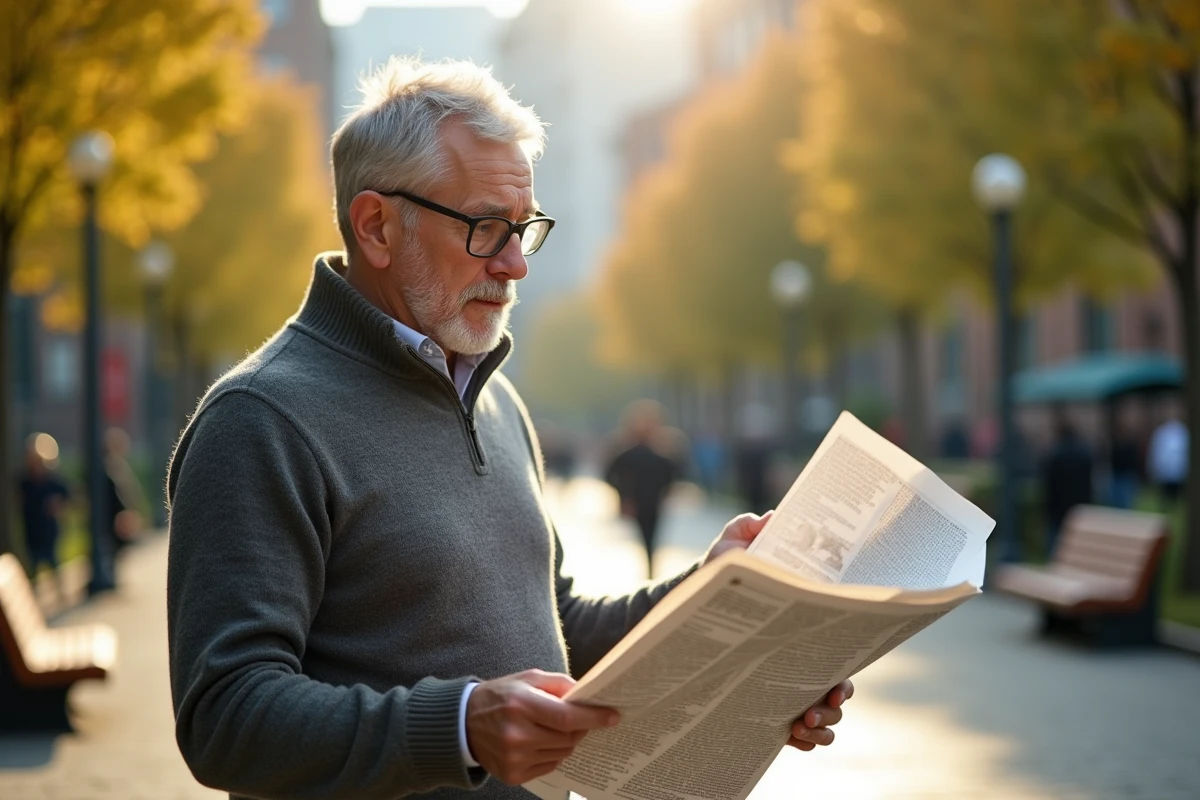
Fake news, misinformation, manipulations: reflexes to spot the true from the false
The tidal wave of false information demands a surge of vigilance. Every day, fake news spreads on social media at an unprecedented speed. Artificial intelligence adds an extra layer: texts, images, videos are manipulated to deceive more effectively. In the face of this tide, it is essential to develop solid reflexes to preserve the quality of information.
Adopt the right reflexes
Here are some practices to adopt to avoid falling into the traps of misinformation:
- Identify the source: a reliable source can be recognized by its ability to detail its origin, provide an author, a date, and a clear context.
- Separate fact from opinion: a rigorous article distinguishes between analysis and position-taking.
- Rely on fact-checking: compare multiple media, check inconsistencies, use specialized sites to untangle the true from the false when a topic seems suspicious.
In France, the dissemination of false news is now regulated by law, but the first line of defense is the lucidity of each individual. Children, particularly vulnerable, need specific support: sharing educational tools about fake news in families or classrooms becomes a necessary step. Better understanding algorithms, protecting personal data: these issues are now part of the defense against digital manipulation.
In this shifting terrain, one principle stands out: never stop questioning what you read, watch, or share. The vitality of our democracy depends on it.
Developing critical thinking: why it is the key to understanding the world (and not just at school)
Critical thinking cannot be decreed solely by the rhythm of lectures. It is shaped day by day, in the face of the profusion of information coming from everywhere. Reading, comparing, questioning: this is the exercise that allows one to grasp the complexity of the world.
At a time when news is accelerating and media push for immediate reactions, resisting automatism becomes an act of autonomy. Media education is not just for the initiated: it prepares everyone to take a step back, to distinguish analysis from slogans, to reject ready-made thinking.
Tips to optimize your reading
To sharpen your perspective, some habits prove beneficial:
- Multiply your sources: print media, radio shows, specialized sites. Do not limit yourself to a single channel.
- Give yourself time to go beyond headlines by reading in-depth articles that provide real perspective.
- Introduce children early to media education and information: discussing, decoding together is already cultivating vigilance and critical thinking.
General knowledge thrives on this diversity: simplified news for younger audiences, attentive following during elections, curiosity about truly significant topics. Refusing to let algorithms decide for you is arming yourself against manipulation, exercising your freedom of thought, day after day. Critical thinking remains the plumb line that helps you not to falter, even when information wobbles.