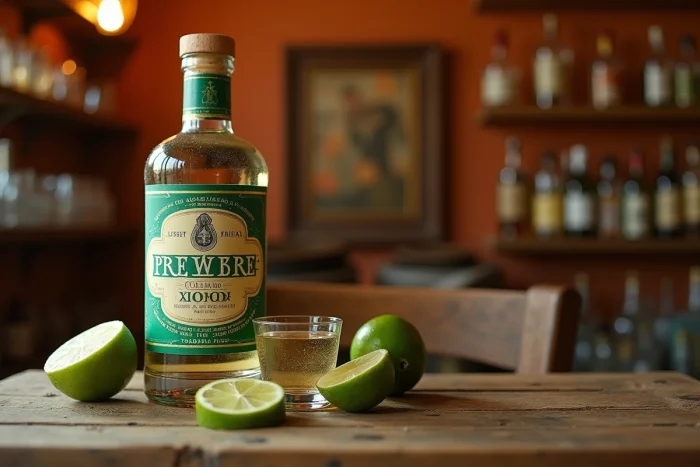
Colombian aguardiente, with an alcohol content of around 29% vol., has an aromatic profile that relies on a delicate balance between the residual sweetness of sugarcane and the strength of star anise. Approaching its tasting as if it were just a festive shot means missing out on the olfactory architecture that Colombian craft distilleries now work on with a precision comparable to that of gin or mezcal.
Sensory profile of aguardiente: decoding anise and cane
The distillation base, a juice or molasses from sugarcane, determines the mouthfeel. An aguardiente made from fresh juice has a more vegetal attack and a slightly herbal finish, while a molasses base adds more sweet roundness.
Anise (usually star anise, sometimes green anise) is introduced either through maceration before distillation or by adding extract after distillation. The first method produces a more integrated nose where the anise blends into the distillate. The second yields a more frontal profile, almost medicinal if the dosage lacks finesse.
We recommend, to assess this distinction, pouring the aguardiente into a tulip glass rather than a shot glass. The tapered shape concentrates the volatile compounds and allows for the separation of aromatic layers: first the fresh notes of anise, then the cane, followed by any floral or spicy traces depending on the distillery. Those wishing to explore cocktail pairings can prepare an aguardiente sour to test how the acidity of citrus interacts with this aniseed profile.

Aguardiente sin azúcar: a radically different tasting profile
The sin azúcar (sugar-free) versions have gained visibility since the mid-2010s, driven by public health concerns and internal fiscal debates on sugary drinks in Colombia. This change in formulation is not trivial for tasting.
Without residual sugar, the anise comes through more sharply, and the finish dries out significantly. The roundness disappears, revealing notes that sugar masked: subtle bitterness, a hint of licorice, and sometimes a slight astringency.
- When tasting neat, serving the sin azúcar at a slightly lower temperature (around the coolness of a cellar) softens the bitterness and highlights the clarity of the anise.
- In cocktails, the dry profile of the sin azúcar better supports added syrups (simple syrup, panela syrup) without producing a cloying drink.
- In food pairings, its dryness pairs well with fatty fish, ceviches, or fried empanadas, where the sweet version would rather classify the aguardiente as a digestif.
Confusing the two versions is akin to comparing a London Dry Gin and an Old Tom: same family, opposite tasting logic.
Temperature and service: what aniseed spirits require
Aguardiente should not be chilled. Contrary to a common habit at Colombian parties, lowering the temperature below 5 °C freezes the essential oils of anise and flattens the aromatic profile. Excessive cold also numbs the taste buds, promoting quick consumption but ruining any attempt at analytical tasting.
The optimal window is between cool room temperature and slight refrigeration. In this range, the louche effect (the milky cloudiness characteristic of aniseed spirits when water is added or when chilled) appears partially, indicating that the anetholes begin to precipitate without completely blocking the aromatic release.
The addition of water: an underestimated technical gesture
A few drops of water in a quality aguardiente trigger the same phenomenon as in pastis or ouzo: the micro-emulsion of anetholes releases secondary aromas masked by pure alcohol. We observe that recent artisanal aguardientes, distilled in hybrid copper column stills, respond better to this dilution than industrial productions, whose simplified aromatic profile gains nothing from being stretched.
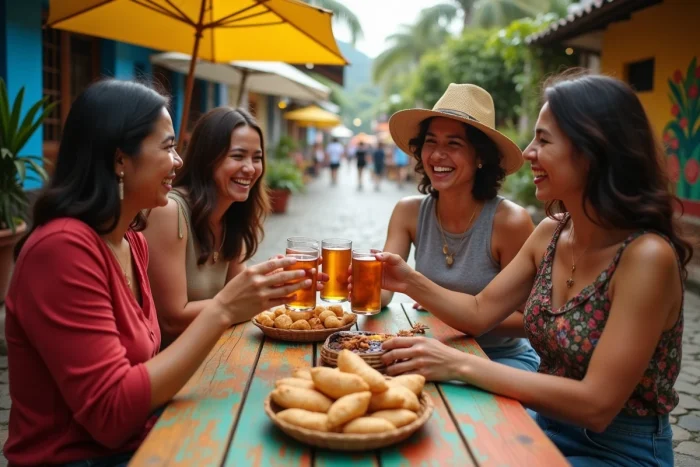
Colombian artisanal aguardiente: markers of a premium product
The premium segment of aguardiente has been structured since the early 2020s around a few markers borrowed from the world of fine spirits: traceability of the cane, purity of the anise, and sometimes barrel finishing.
Barrel aging remains marginal but deserves attention. It adds woody, vanilla, or toasted notes that complicate a traditionally straightforward spirit. Aged aguardiente is tasted like an amber rum, in small sips, ideally in a balloon glass that allows tertiary aromas to develop.
- Check for the mention of the geographical origin of the cane: each Colombian department cultivates distinct varieties and terroirs.
- Favor distilleries that specify the type of anise used (star, green, blend) and the method of incorporation (maceration or post-distillation addition).
- Observe the clarity of the spirit: perfect crystallinity indicates careful distillation, while a slight cloudiness at room temperature may signal an excess of poorly rectified essential oils.
Food pairings with premium aguardiente
The “pairing” approach remains poorly documented for aguardiente. Aniseed flavors work by contrast with spicy dishes (ají colombiano, hogao) and by complementarity with fresh tropical fruits (lulo, maracuyá, guanábana). A barrel-aged aguardiente supports richer pairings: dark chocolate from Colombian cacao, aged cheeses, or smoked meats.
Colombian aguardiente is gradually moving out of the exclusive festive realm to join that of thoughtful tasting. The tools are the same as for any serious spirit: appropriate glassware, controlled temperature, attention to dilution. The difference lies in the raw material, this tropical sugarcane that gives the distillate a roundness that neither raki nor pastis possess.