
A stubborn figure: more than 95% of pressure ulcers could be avoided, yet they continue to impact the daily lives of hospital services. Behind the recommendations displayed on the walls, the reality on the ground proves to be more complex. Protocols exist, mobilization is advised, but the tailored adjustment often falls short in the race of care.
The latest devices, alternating air mattresses, high-tech dressings, do not escape doubt once we leave the laboratories. Their effectiveness, praised in controlled trials, sometimes clashes with the diversity of profiles and situations. The debates remain heated: which prevention should be prioritized according to the level of risk? How to harmonize the efforts between caregivers, doctors, and families?
Understanding the risk factors and mechanisms of pressure ulcer development
Pressure ulcers, also known as decubitus ulcers or pressure injuries, form due to prolonged compression on certain parts of the body. For a bedridden person or someone in a wheelchair, it is the bony areas, sacrum, heels, and trochanters that pay the highest price. Under pressure, local blood circulation slows down, tissues lack oxygen, and the skin eventually gives way.
The underlying condition plays a decisive role. A fragile skin, neurological disorders, malnutrition, incontinence, or advanced age multiply the risks. When these factors accumulate, even the slightest pressure becomes a threat. The longer it lasts, the higher the probability of a pressure injury increases. Pressure ulcers progress through several stages, sometimes within hours, if monitoring is not in place.
Careful observation of at-risk areas makes all the difference: redness that does not blanch, blistering, loss of substance… At the first sign, the reaction must be immediate. Identifying causes and symptoms in advance guides the choice of care and limits damage.
Understanding how pressure ulcers occur allows for quicker and better intervention. The treatment of pressure ulcers relies on a comprehensive strategy: relieving pressure, adapting nutrition, and precisely caring for the skin. This attention shared by all close ones and caregivers around the patient remains the common thread to contain the worsening of injuries.
What strategies should be prioritized for effective daily prevention?
Pressure ulcer prevention is not the responsibility of a single caregiver, but a team dynamic. It all starts with the regular mobilization of the patient. Changing position every two to three hours alleviates the burden on sensitive points, sacrum, heels, hips, and stimulates microcirculation.
Another pillar: skin care. Inspecting the skin daily, spotting the slightest suspicious mark, maintaining impeccable hygiene to avoid maceration and germ proliferation. Carefully chosen toiletries preserve the integrity of the skin’s protective barrier.
Nutrition, often underestimated, plays a crucial role. Adequate intake of proteins, appropriate hydration, and a varied diet strengthen the skin’s resistance and accelerate healing in case of injury. The intervention of health professionals, nurses, nursing assistants, dietitians, allows for adjusting these measures on a case-by-case basis.
To enhance pressure ulcer prevention, several concrete measures need to be coordinated daily:
- Frequent mobilization and monitoring of exposed pressure areas
- Daily skin examination and use of appropriate care
- Individualized nutritional follow-up to support healing
Continuous training of teams, involvement of caregivers, and information circulation delineate the boundary between routine and vigilance. It is this collective organization that sustainably reduces the risk of pressure ulcers.
Innovative solutions and practical recommendations to optimize care
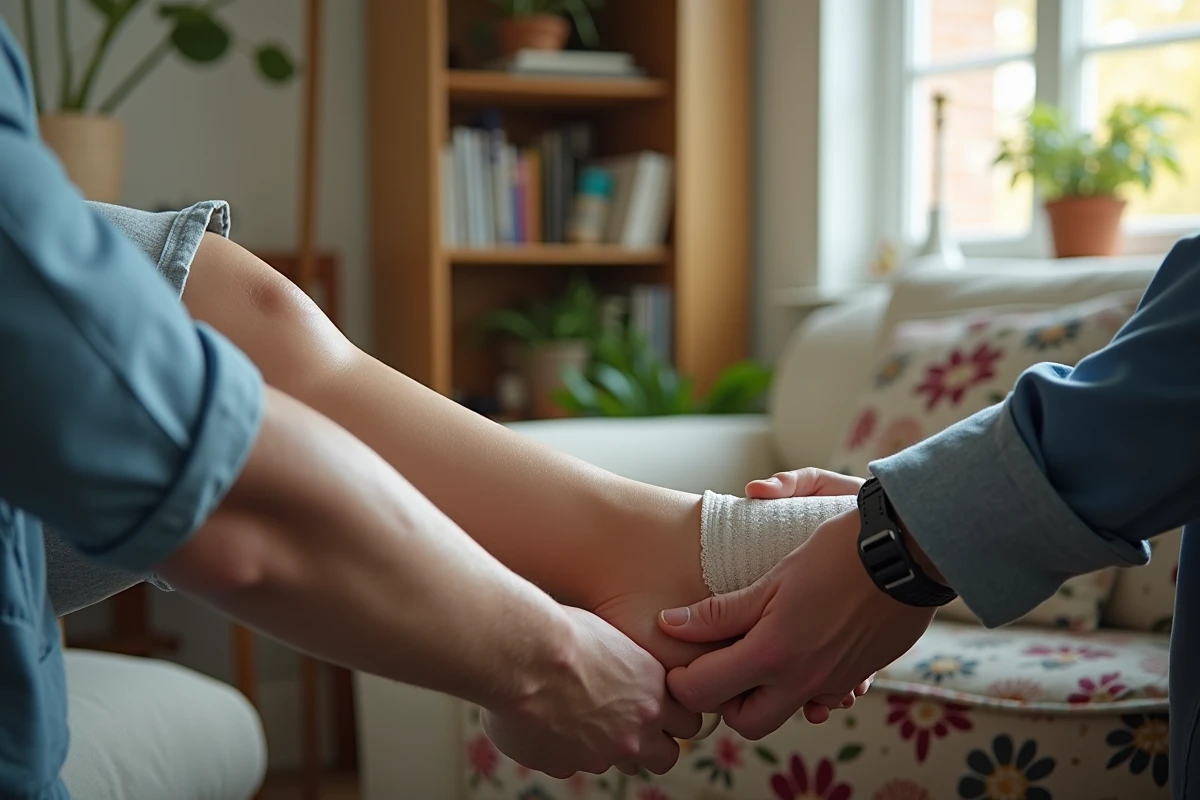
Managing a pressure ulcer requires constant adaptation and the use of varied solutions. The latest generation dressings, hydrocolloids, hydrogels, alginates, silver dressings, are chosen according to the stage of the injury and the needs of the skin. This choice, validated by a doctor, evolves as healing progresses: limiting maceration, neutralizing odors, protecting against infections.
In certain situations, negative pressure therapy (NPT) is indicated. This system draws out fluids, promotes blood circulation, and encourages the formation of healthy tissue. Sometimes, larval therapy, an ancient knowledge revisited, is used to clean the wound and control bacterial proliferation.
Here are some key recommendations to optimize pressure ulcer management:
- Frequently assess the state of the wound and adjust the care strategy in consultation with the medical team.
- Apply emollients and skin protectants to preserve the skin around the affected area.
- Consider surgery in the most advanced situations, when conservative methods reach their limits.
- Reserve antibiotics for clearly identified infection cases, without generalizing their use.
Coordination among all stakeholders, primary care physician, physiotherapist, nursing assistant, pharmacist, remains the key element to accelerate healing, limit complications, and prevent relapses. When rigor combines with collaboration, the pressure ulcer ceases to be a fatality, and the patient’s quality of life regains ground.