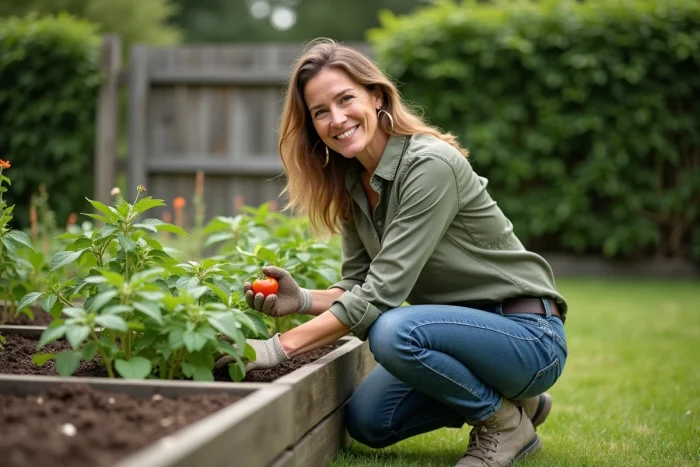
A nitrogen-boosted soil, and everything takes off: the leaves spread where flowers were hoped for. Many are familiar with this scenario, especially when universal fertilizers are used indiscriminately. Instead of an explosion of colors, the flower beds turn into a green jungle.
Perennials touted as indestructible succumb at the first alternation of thaw and frost… The promises displayed never account for weather whims. Between the theory of catalogs and the reality on the ground, there is the brutal shock of an unpredictable winter.
Understanding the essential needs of your garden to start on solid ground
A garden cannot be improvised. Every square meter requires special attention, month after month. It all starts with the soil: clay, silt, sand, or a subtle mix, each soil has its requirements. Acidity, moisture retention, organic matter richness: these are all clues to grasp before planting. What is not visible, the underground life, shapes the health of the place. It must be preserved by limiting chemical treatments and harsh interventions.
Watering requires adjusting your actions to every corner of the garden. Too much water, and the roots are deprived of oxygen. Too little, and growth stalls. It’s better to learn the needs of each species. A technical sheet is always worth a glance before planting.
Accepting maintenance without dreading it changes everything. Weeding by hand encourages wildlife to persist. Natural mulches strengthen the soil and cut short the frantic watering. In the vegetable garden, rotating crops becomes a reflex: the soil benefits, and this rotation stops soil fatigue.
For concrete inspiration, you can find tips on Conseil Jardinage, clear solutions tried and tested by those who dig, fail, correct, and start over. Evolving your garden is first about observing, understanding, and adjusting, always in exchange and not in a tug-of-war with nature.
What practical tips to apply each season for effective maintenance?
Each time of year imposes its rhythm. Spring revives the soil: loosening, enriching with mature compost, monitoring the emergence of young shoots, and pruning at the end of winter, just before the sap begins to flow, to awaken the fruit trees.
Summer arrives with a focus on rigor: morning or late watering to slow evaporation, thick mulch at the base of plants, vigilance against weeds. In the vegetable garden, harvesting must be regular to maintain the pace and avoid loss.
When autumn arrives, it’s time for preparation: loosening the soil, planting bulbs, working on the flower beds. Collecting rainwater becomes a valuable reflex. Fallen leaves are no longer discarded: they protect or nourish according to needs.
Winter does not mean total relaxation. A protective cover for the most fragile, maintaining tools, sharpening blades: these discreet actions already prepare for the next season. It’s also the perfect time to anticipate the next steps, review equipment, and plan upcoming green projects.
Some simple practices make a difference throughout the year:
- Focus on a reasonable watering, adapted to real needs and climatic conditions
- Prioritize maintenance connected to the rhythm of nature
- Use existing resources thoughtfully, compost, mulching, or rainwater

Smart tips to anticipate the unexpected and keep a thriving garden all year round
A garden often disrupts all plans. Between sudden hailstorms, drought periods, or pest appearances, one must constantly adjust. Betting on plant variety naturally strengthens overall resilience. The greater the biodiversity, the less likely an isolated accident will cause irreversible damage.
Observing, detecting the slightest anomaly on a leaf or in the soil, acting quickly without violence: that is the key. Resorting to mulching, homemade concoctions, or encouraging ladybugs helps much more than a blind radical intervention.
To maintain this composure in the face of the unexpected, some concrete strategies prove invaluable:
- Install a rainwater collector, to keep control over watering even during usage restrictions
- Set up a greenhouse or temporary shelter: often, a little space is enough to protect young plants from the worst
- Continuously vary vegetable crops, to deplete soils less quickly and weaken the progression of specialized pests
The action plan is your insurance. Establishing a task calendar, from mulching to tool maintenance, prevents everything from piling up and allows you to adjust your care according to the climate. Every detail observed gives you a head start in the vitality of your plants.
Between the unexpected and joys, the garden evolves each season: a changing mosaic, a living richness to maintain and discover tirelessly. Each has its rhythm, each year its surprises, and that is indeed the only lasting rule in the realm of the living.