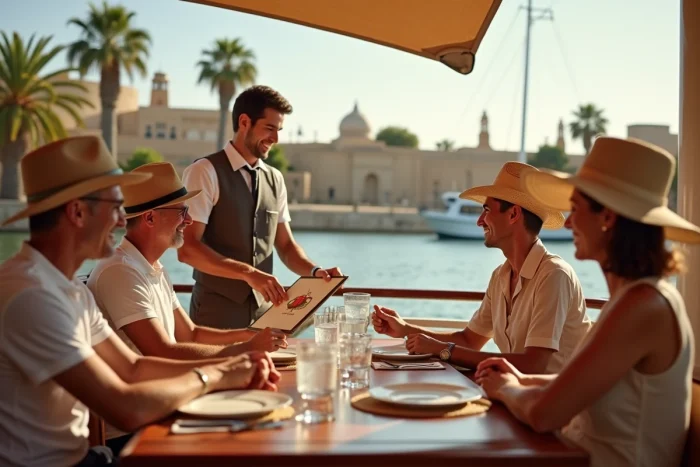
Mineral water, although essential, is almost never included in the standard packages of Nile cruises. The prices for drinks can sometimes vary significantly between companies, ranging from bottle pricing to package options, which are rarely highlighted during booking.
Some ships apply a service charge or a specific markup on all consumptions, regardless of the initially announced price. Local regulations prohibit bringing outside beverages, which closes the door to any economical alternatives.
What you need to know about the drink offerings on board Nile cruise boats
Along the Nile, each type of boat leaves its mark on the drink question. Classic boats, flamboyant five-stars, the elegant silhouette of a dahabiya, or the discreet felucca: each offers its own experience, from minimalist service to an extensive menu. During meals on board, Egyptian cuisine is featured, accompanied by a more or less wide selection of drinks depending on the category. On the upper deck or near the pool, the offerings are often quite limited: stepping outside the classics can sometimes be a challenge, and improvisation remains restricted.
Egyptian tea or karkadeh, a highly appreciated hibiscus infusion, are generally served at no extra charge during meals. For everything else, mineral water, sodas, beers, local wines, the rule is per item billing. Drink package options during booking are rare: it is better to check the reality behind the term “all-inclusive,” often accompanied by conditions and exclusions. On the most upscale boats, the menu sometimes expands to include a few imported spirits, with prices reflecting the Egyptian taxation and customs fees.
The prohibition on bringing your own drinks, whether water or alcohol, is strictly enforced on board. Travelers looking to understand the prices of drinks on cruise boats in Egypt quickly discover that everything depends on the type of cruise chosen. The offerings vary according to the class of the ship, the season, but also the logistics specific to each company. As for adjustments on request, they are rare: prior negotiation with the organizer can sometimes yield results, but one should not count too much on it.
How much do drinks actually cost on a cruise in Egypt?
Price differences are notable from one boat to another, and several parameters weigh in the balance: ship category, tourist season, length of stay. For mineral water, often sold by the bottle, the price ranges from 1.50 to 2.50 euros. Sodas and soft drinks have similar prices. A local beer generally costs between 3 and 4 euros. For wine, most often Egyptian, expect to pay 15 to 25 euros per bottle, a price that rises significantly if opting for a foreign vintage on a high-end ship.
From a value-for-money perspective, the time of year has a significant impact. Between October and April, the peak season for tourists, prices are adjusted for an international clientele and remain far from local standards. Main meals, lunch on board, night dinner, almost always come with a separate drink menu. Egyptian tea, karkadeh, or sometimes coffee are offered, but just ordering an aperitif or a cocktail can see the bill soar.
Unlimited drink packages remain the exception, with most companies opting for à la carte billing. On certain itineraries, service varies: in Luxor, Edfu, or during a temple visit, the availability and variety of drinks change, as do the prices, especially during stops near major sites like Abu Simbel or Kom Ombo. Being on board, while cruising, means paying the price for the setting and exclusivity.
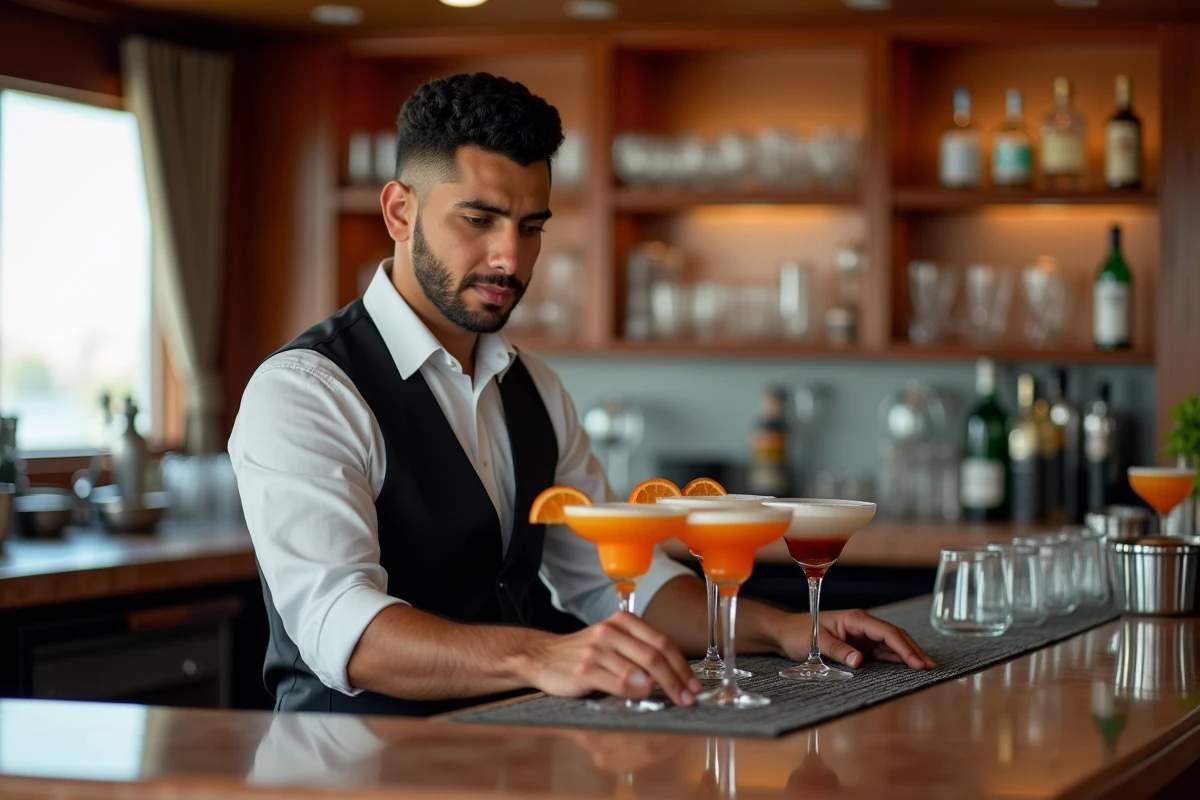
Anticipating your budget and avoiding unpleasant surprises: our tips for enjoying your cruise
To plan your trip to Egypt, it is better to refine the drink budget estimate right away. On the Nile, the unexpected is not the best ally, especially for out-of-package consumptions. Before booking, take the time to check what is actually included: water with meals, Egyptian tea, or sometimes only breakfast. Neither lunch on board nor night dinners systematically include drinks. Ask for the price list as soon as you arrive on board or directly consult your tour guide.
To help you better manage these expenses, here are some useful reflexes to adopt:
- Set aside a dedicated envelope. Small extras can add up quickly, whether it’s a soda in the sun, a bottle of water during an excursion, or a drink at the panoramic bar.
- Negotiate when possible, especially if you are buying at the dock. This practice is common in Egypt. On board, prices are often fixed, but discounts may be granted for multiple bottles or for groups.
- Think about other expenses: visa, tips for the crew, transfers, or optional excursions. These costs can quickly add to the drink budget and weigh on the total trip cost.
One last piece of advice: stay vigilant during special evenings or lively dinners on the pool deck. All-inclusive packages are rare on the Nile: follow your guide’s recommendations, compare offers, and don’t hesitate to ask where the drinks come from, especially the wine, which can be puzzling in style. Taking the time to inquire ensures an experience that meets your expectations, without unpleasant surprises upon arrival.
On the Nile, each glass tells its own story: it’s up to each person to choose theirs, keeping an eye on the menu, the price, and the flavor of the journey.