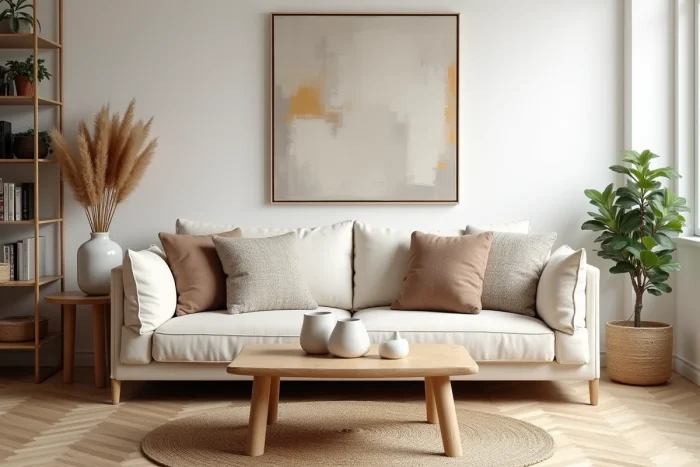
A room that feels cramped, a living room where light only partially enters, a kitchen that no longer inspires cooking. Transforming your home into a dream space doesn’t necessarily require major renovations. A few targeted, well-thought-out interventions are often enough to radically change the atmosphere of an interior.
Summer thermal comfort: the lever that decor alone cannot solve
Have you ever noticed that a beautifully decorated room becomes unlivable as soon as the temperature rises? Summer comfort is an often-overlooked aspect when talking about a dream home, yet it conditions the pleasure of living there for several months a year.
According to recent publications from ADEME, solar protection and limiting overheating are among the top priorities for housing adaptation. Before choosing a new sofa, check if your south-facing windows have shutters, external blinds, or sunshades.
A few concrete actions can change the game: applying a heat-reflective film to the windows, installing blackout curtains with thermal lining, or simply ventilating at night to cool the walls. These adjustments are low-cost and transform a stuffy room into a truly livable space. To delve deeper into these layout topics, you can consult Wow Magazine for home, which gathers complementary ideas on renovation and decor.

Natural light and colors: redesigning a room without breaking a wall
Light changes everything in an interior. A dark room appears smaller and less welcoming, even with quality furniture. The first reflex, before repainting, is to observe how light enters each room throughout the day.
Utilizing existing light
Place a mirror opposite the main window in your living room. The light bounces back, and the room gains depth without any construction work. Also, clear the window sills: plants and knick-knacks that accumulate there block part of the light flow.
A light wall facing the light source amplifies perceived brightness. An off-white or warm beige works better than pure white, which can give a clinical appearance. In north-facing rooms, a slightly yellow or pink hue compensates for the coldness of natural light.
Playing with color to redefine volumes
Painting a single wall in a bold shade (sage green, midnight blue, terracotta) creates a focal point that structures the room. The rest of the walls remain neutral. This technique works particularly well in a living room or bedroom where the space lacks character.
Color on the ceiling is an underutilized option. A ceiling painted in a soft tone visually lowers the height and makes a large room feel more intimate. Conversely, a white ceiling in a low room elongates the perception of height.
Step-by-step renovation: transforming room by room without blowing the budget
ANAH recommends in its recent guides a gradual approach rather than a complete overhaul. This logic also applies to the aesthetic and functional transformation of your interior.
Why this choice? Because a complete renovation project requires a significant budget, generates stress, and often forces you to leave the home. Renovating room by room allows you to test decor choices before generalizing them.
- Start with the room you use the most: the living room or kitchen. A new floor covering, a replaced countertop, or rethought lighting changes daily use.
- Next, tackle the bathroom, where the ratio of investment to perceived comfort is highest. A new wall tile and a modern vanity are enough to modernize the whole.
- Save the bedrooms for last: they often require fewer structural changes and can be quickly transformed with paint and textiles.
Materials and style: balancing trend and durability
Decor magazines are full of trends that change every season. Relying solely on the current fashion risks quickly becoming tiresome. Durable materials and timeless shades form a solid foundation that you can update with accessories.
Solid wood, linen, and natural stone age well. They patina rather than degrade. An oak floor or a stone countertop gains character over time, whereas cheap laminate will show its limits after a few years.
Choosing materials according to the room
The kitchen and bathroom require materials resistant to moisture and thermal shocks. Porcelain stoneware, for example, mimics wood or concrete while withstanding water splashes and temperature variations.
In the living room, prioritize tactile comfort. A wool rug, thick linen cushions, a woven cotton throw: textiles are the quickest and least expensive transformation tool to change the atmosphere of a living space.
- For a minimalist style: neutral tones, raw materials, few decorative objects.
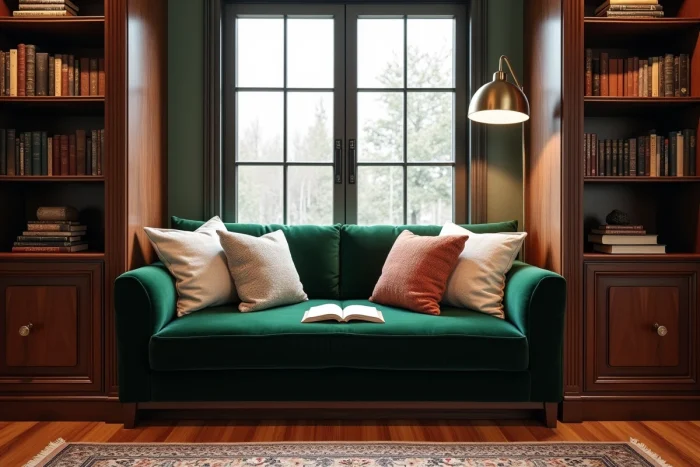
- For a warm ambiance: wood, warm shades (ochre, rust, olive green), a controlled accumulation of textiles.
- For a contemporary design: straight lines, matte black metal, bold contrasts between light and dark.
Transforming a house into a dream space relies less on the overall budget than on the quality of choices. Appropriate thermal comfort, well-utilized light, carefully selected materials, and a step-by-step progression yield more lasting results than a rushed renovation. Each room deserves specific attention, and the best decisions are often those that consider how you actually live in your home.