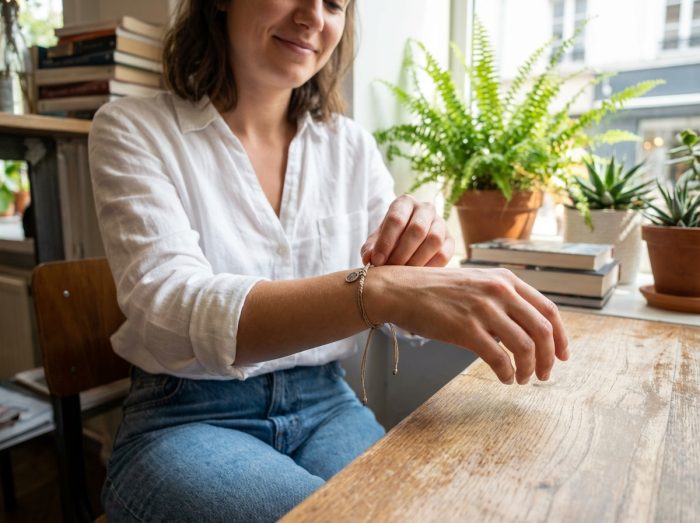
A low-quality waxed thread can ruin hours of meticulous work, even on the simplest model. Cord bracelets do not tolerate approximation: the strength, thickness, and flexibility of the thread influence both durability and the final aesthetic.
Some materials, although more expensive, wear out faster than lesser-known alternatives. The differences between cotton, nylon, and polyester are not just a matter of taste; each fiber brings technical constraints and unexpected results depending on the chosen knots and frequency of wear.
The thread, the soul of the cord bracelet: why choosing it well changes everything
The thread is never trivial. It shapes the structure, feel, and identity of the cord bracelet. The choice between cotton, nylon, polyester, or leather directly affects flexibility, comfort on the wrist, and the jewelry’s lifespan. If too rigid, the thread breaks the line of the bracelet and makes it uncomfortable. If too thin, it risks loosening, wearing out quickly, and losing the essence of the envisioned model.
In everyday life, the thread dictates everything: comfort, adjustability, lightness, versatility. The cord bracelet stands out precisely for its ability to adapt to its owner’s life, transitioning from a discreet accessory to a style statement. Enthusiasts of costume jewelry know this: the quality of the thread, the precision of the knots, and the accuracy of the wrist size make all the difference.
To choose the ideal cord bracelet, it is essential to observe the morphology, the fastening system, and the feel to the touch. Cotton thread is appealing for its timeless softness, nylon stands out for its robustness and multiple colors, and polyester ensures easy maintenance and unbeatable strength. Men’s bracelets often opt for leather or rougher cords, while women’s versions dare to use color and varied finishes.
Here’s how to better guide your choice based on usage and the person:
- For a piece worn every day, aim for durability and color stability.
- For personalization, favor braided or waxed threads, suitable for engravings and charms.
- For children, lightness and adjustability take precedence over sophistication.
The cord bracelet thus opens up an infinite field of possibilities, where the selection of the thread determines style, usage, and the identity of the jewelry.
Cotton, nylon, or polyester: which truly adapts to your creative project?
The choice of bracelet thread shapes the appearance, strength, and comfort of the cord bracelet. Cotton, soft and easy to work with, remains essential for the Brazilian bracelet or macramé pieces. It absorbs colors well and appeals to those who favor authenticity or bohemian looks. Its waxed alternative makes it more resistant to moisture while maintaining its flexibility.
When strength is paramount, nylon takes the lead. It withstands friction, stretches without deforming, and allows for the creation of bracelets designed to last. It is often found in costume bracelets or creations featuring beads, as it adapts even to narrow-holed beads. Its range of bright colors allows for all variations, from sporty styles to bold urban looks.
Polyester combines easy maintenance, stable colors, and budget-friendly options. Its slightly shiny finish is appealing for children’s bracelets or for those who want to vary style effects without constraints. Lightweight, it lends itself to creating solid, customizable, and adaptable costume jewelry to all desires.
To help you navigate, here are some useful pointers:
- Cotton appeals for its softness and authentic feel.
- Nylon stands out for its strength and versatility.
- Polyester meets the needs for easy maintenance and durable colors.
The diameter of the thread, the finish (waxed or not), and compatibility with natural stones or charms are details that matter in the final choice. Creating a cord bracelet involves a dialogue between material, usage, and the desire for uniqueness.
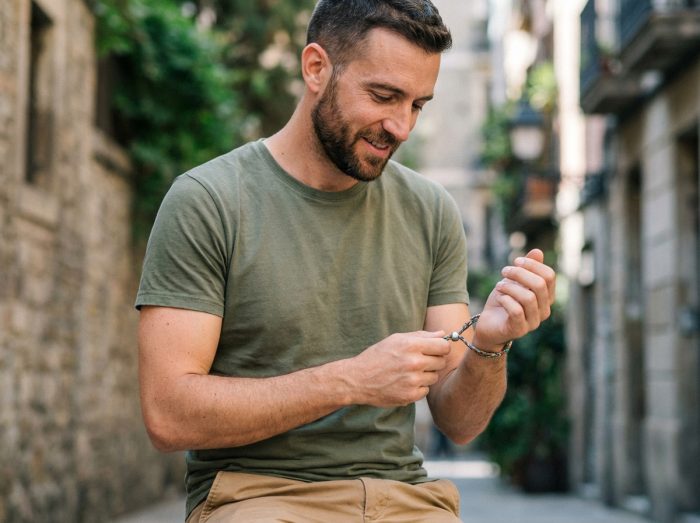
Tips and tricks for succeeding in micro-macramé and finding the perfect thread
Micro-macramé has become popular among those who want a cord bracelet that is both fine, flexible, and truly unique. To get started, you need to invest in a thread that holds up: cotton for a pleasant touch, nylon for clean knots and unwavering strength, polyester for ultra-simple maintenance and vibrant colors.
The key to micro-macramé? Maintain a consistent tension while making the knots. The choice of thread diameter should match the wrist size and the desired effect, balancing elegance and comfort. The most meticulous personalize their creation with charms, pendants, or natural stone beads, selected for their symbolic value or brilliance. For closures, the classic lobster clasp or sliding knot offers discretion and adaptability.
For a truly personal piece, vary the colors based on the outfit, a significant event, or to express a mood. Sometimes, all it takes is a bright thread, an engraving, or a birthstone for the bracelet to become a truly unique piece. Micro-macramé can be endlessly varied: men, women, and children can all find an accessory that reflects them, balancing trend and individuality.
In the end, choosing your cord bracelet well is like writing a discreet story on your wrist: every detail counts, every material has its say, and style allows for no compromise.